

A NEW CHAPTER IN HEALTH
Surgical weight loss is not about willpower — it’s about physiology. At Everest Surgical Institute, we provide evidence-based bariatric procedures designed to help you safely and sustainably improve your health.
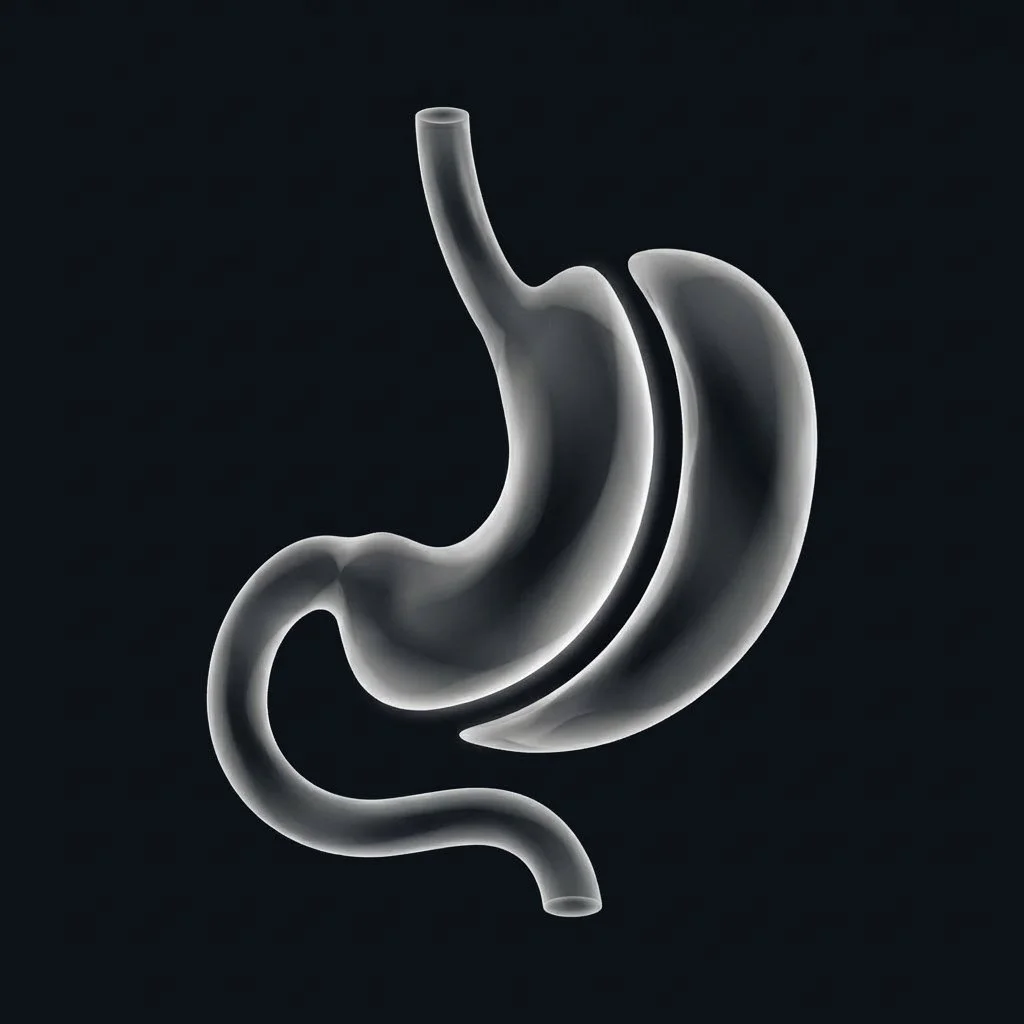
WHAT IS BARIATRIC SURGERY?
Bariatric surgery changes how your body regulates hunger, metabolism, and blood sugar. For many patients, it is the most effective long-term treatment for obesity and obesity-related conditions
Procedures are minimally invasive using advanced laparoscopic techniques, supporting shorter recovery times and lower complication rates.

WHY BARIATRIC SURGERY?
Excess weight impacts nearly every organ system. Surgical intervention can significantly reduce risk factors and improve long-term quality of life.
Bariatric surgery may help improve or resolve:
Type 2 Diabetes
Hypertension
Sleep Apnea
GERD
Joint Pain
Fatty Liver Disease
Metabolic Syndrome
-
A sleeve gastrectomy is a restrictive procedure that reduces the size of the stomach, limiting food intake and promoting earlier, longer-lasting fullness. Removing a portion of the stomach also decreases production of the hunger hormone ghrelin, helping reduce appetite.
The procedure is performed laparoscopically through small incisions using specialized instruments. When combined with structured postoperative guidance, sleeve gastrectomy supports significant and sustainable weight loss.
-
Gastric bypass is a combined restrictive and malabsorptive procedure. A small stomach pouch is created to limit food intake, and a portion of the small intestine is rerouted to reduce calorie and nutrient absorption.
This dual mechanism supports significant weight loss and metabolic improvement. The procedure is performed laparoscopically through small incisions using specialized instruments, allowing for a minimally invasive recovery.
-
Lap-Band removal is a laparoscopic procedure performed to remove a previously placed adjustable gastric band. Removal may be recommended due to complications, inadequate weight loss, intolerance, or changes in a patient’s medical condition or goals.
When Removal May Be Considered
Lap-Band removal may be appropriate in cases of:
Band slippage, erosion, infection, or other complications
Persistent reflux or gastrointestinal symptoms
Difficulty swallowing, nausea, or chronic discomfort
Inadequate weight loss or weight regain
Pregnancy or new medical conditions
Patient preference or reduced quality of life
The decision to remove a gastric band is made after careful evaluation of symptoms, overall health status, and long-term treatment goals.
-
Revision surgery is performed to modify or correct a prior weight loss procedure. It may be considered in cases of inadequate weight loss, weight regain, surgical complications, or new medical concerns.
Revisions can involve correcting anatomical issues, enhancing the effectiveness of the original procedure, or converting from one operation to another. The appropriate approach depends on the patient’s history, current health status, and the type of initial surgery.
PROCEDURES WE OFFER
Procedure selection is individualized. The appropriate operation is determined by your surgeon based on your medical history, body mass index, and obesity-related conditions to ensure the safest and most effective outcome.
WHO QUALIFIES?
General criteria include:
BMI ≥ 40
BMI ≥ 35 with obesity-related conditions
Documented attempts at weight loss
Medical clearance for surgery

REDEFINE YOUR FUTURE
Surgical weight loss is a tool — and when paired with commitment and guidance, it can transform long-term health outcomes.